Key Insights
The issue wasn’t outdated visuals. It was the absence of a scalable framework. Without a shared structural system guiding how pages should be built, each new page introduced additional complexity and inconsistency.
Context
As the organization grew, its website expanded to accommodate new content, services, and marketing initiatives. Over time, the site evolved through individual updates and custom page builds rather than a unified system.
While the website remained functional, the lack of a consistent structure made it increasingly difficult to maintain and extend. Content hierarchy varied between pages, navigation patterns lacked clarity, and updates often required new design decisions.
The result was a digital presence that worked, but did not scale.
The Real Problem
The core challenge wasn’t visual design. It was the absence of a governing structure that defined how the website should grow. Without a shared framework:
- Page layouts were inconsistent
- Content hierarchy lacked clarity
- Navigation pathways became fragmented
Each new page required custom decisions
This created long-term friction for both designers and content managers, and increased the risk of brand inconsistency as the site continued to expand.
Directional Intervention
To address these challenges, I worked with stakeholders to clarify how the site needed to function as it evolved.
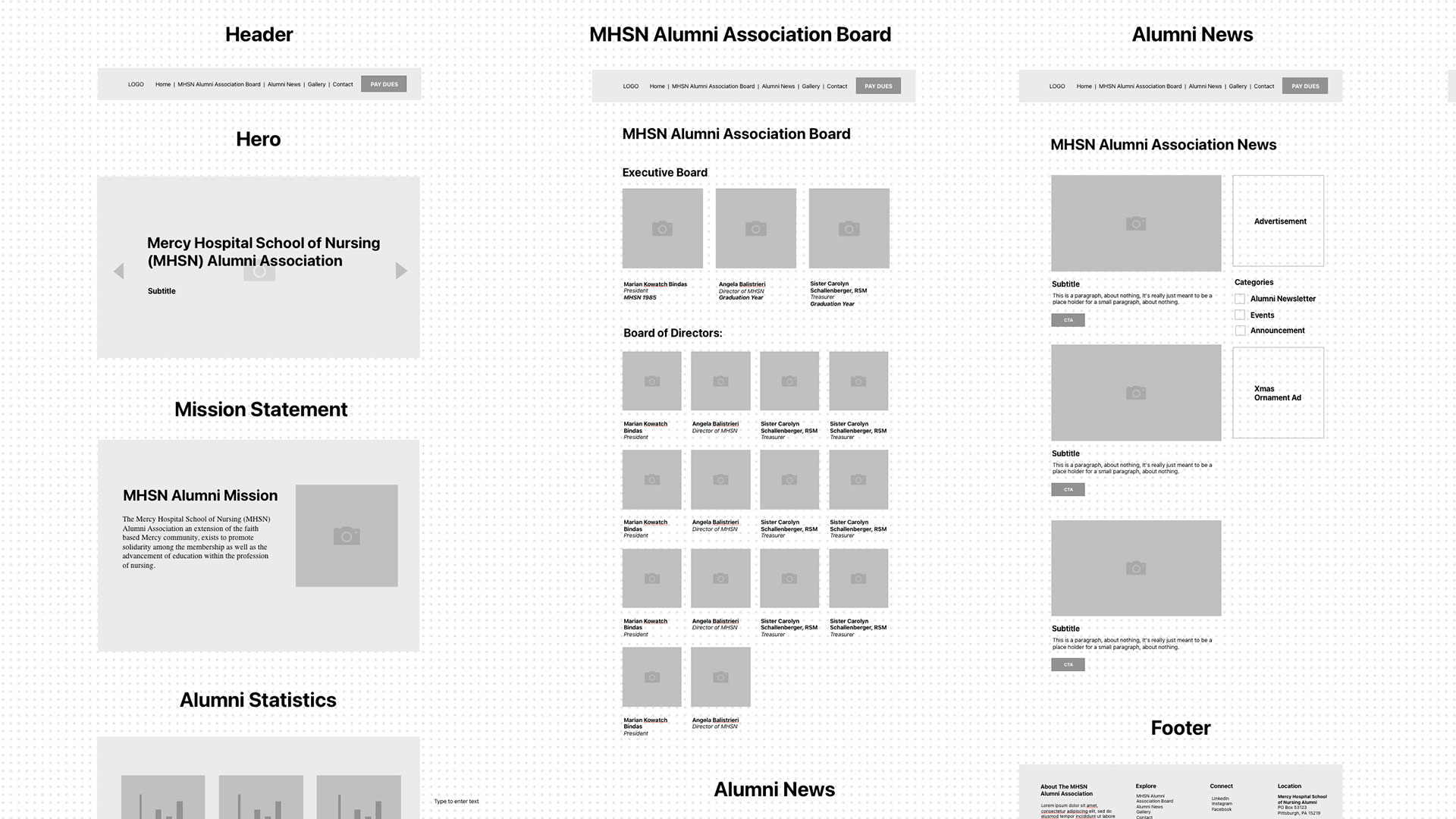
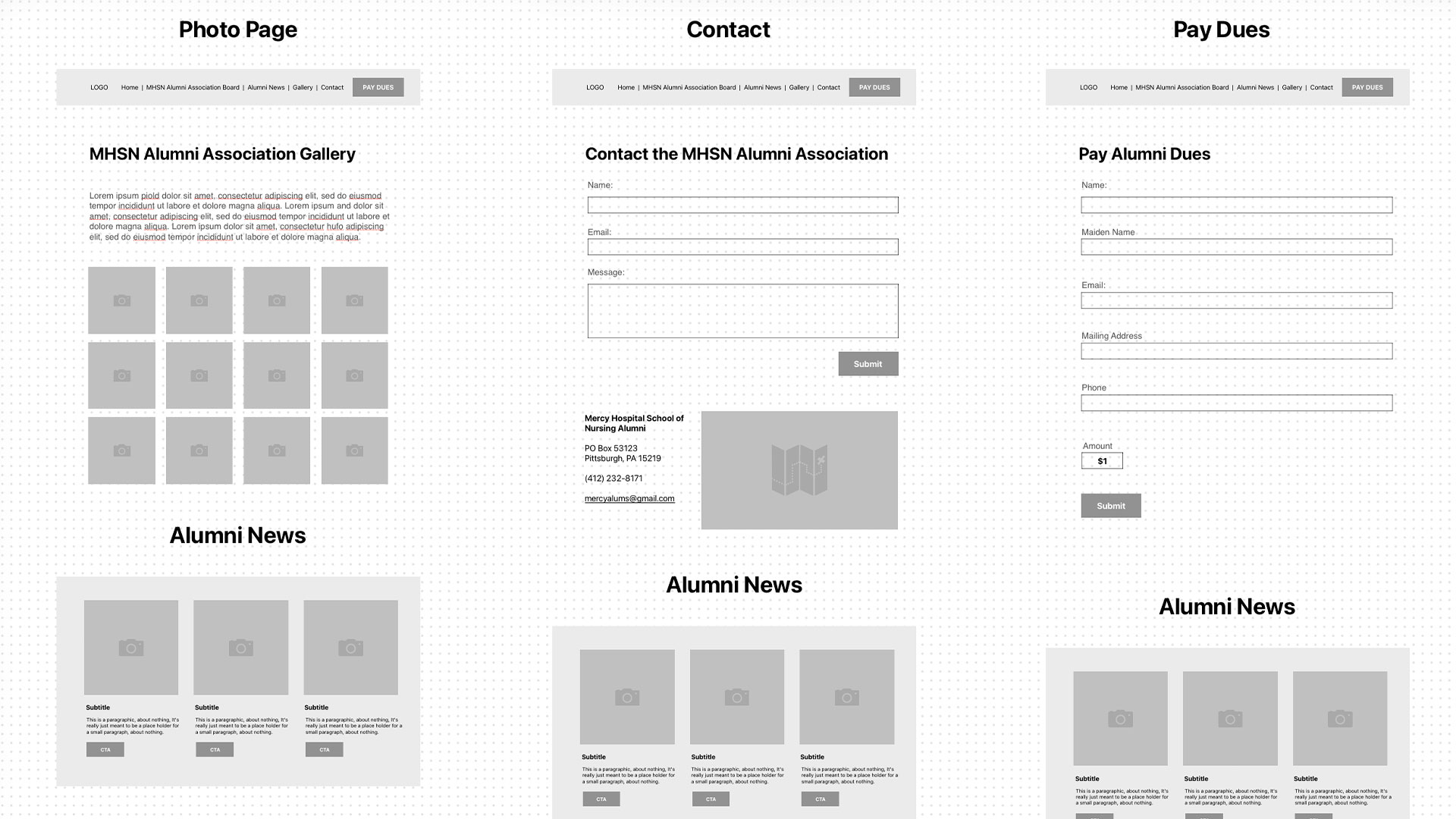
Rather than redesigning individual pages, I introduced a page template system designed to provide structure and scalability. The system was built around three key elements:
Standard Content Hierarchy
Defined a clear narrative structure for pages, helping ensure that content flowed consistently and that users could easily understand the information presented.
Modular Component System
Created reusable sections and design components that allowed new pages to be assembled quickly while maintaining visual and structural consistency.
Rationalized Navigation Framework
Restructured navigation patterns to create clearer pathways through the sire and support future content expansion.
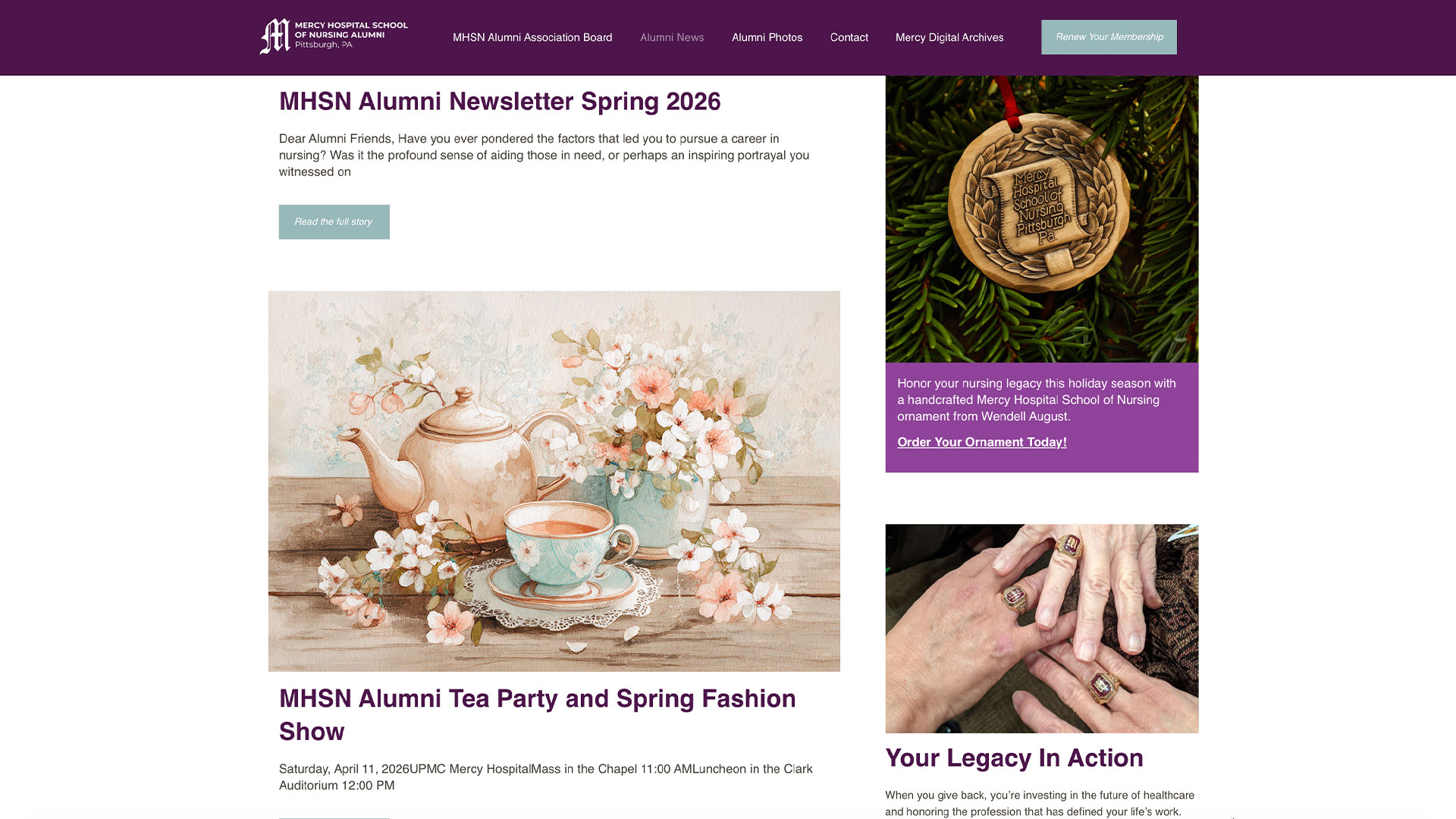
Together, these elements transformed the website from a collection of individual pages into a scalable digital framework.
Supporting the Workflow
In addition to formalizing the template system, I introduced a drag-and-drop page builder to help with decentralized content updates and reduce long-term production bottlenecks.
This approach required stakeholder education and alignment, but ultimately enabled internal teams to update and expand the website more efficiently while maintaining consistency with the established design system.

System Impact
The template framework significantly simplified how the organization could maintain and expand its website. By introducing consistent page structures and reusable components:
- New pages could be created faster
- Content updates required fewer design decisions
- Visual consistency improved across the site
- Internal teams gained greater autonomy when managing content
Most importantly, the system created a durable foundation for future growth.
Outcome
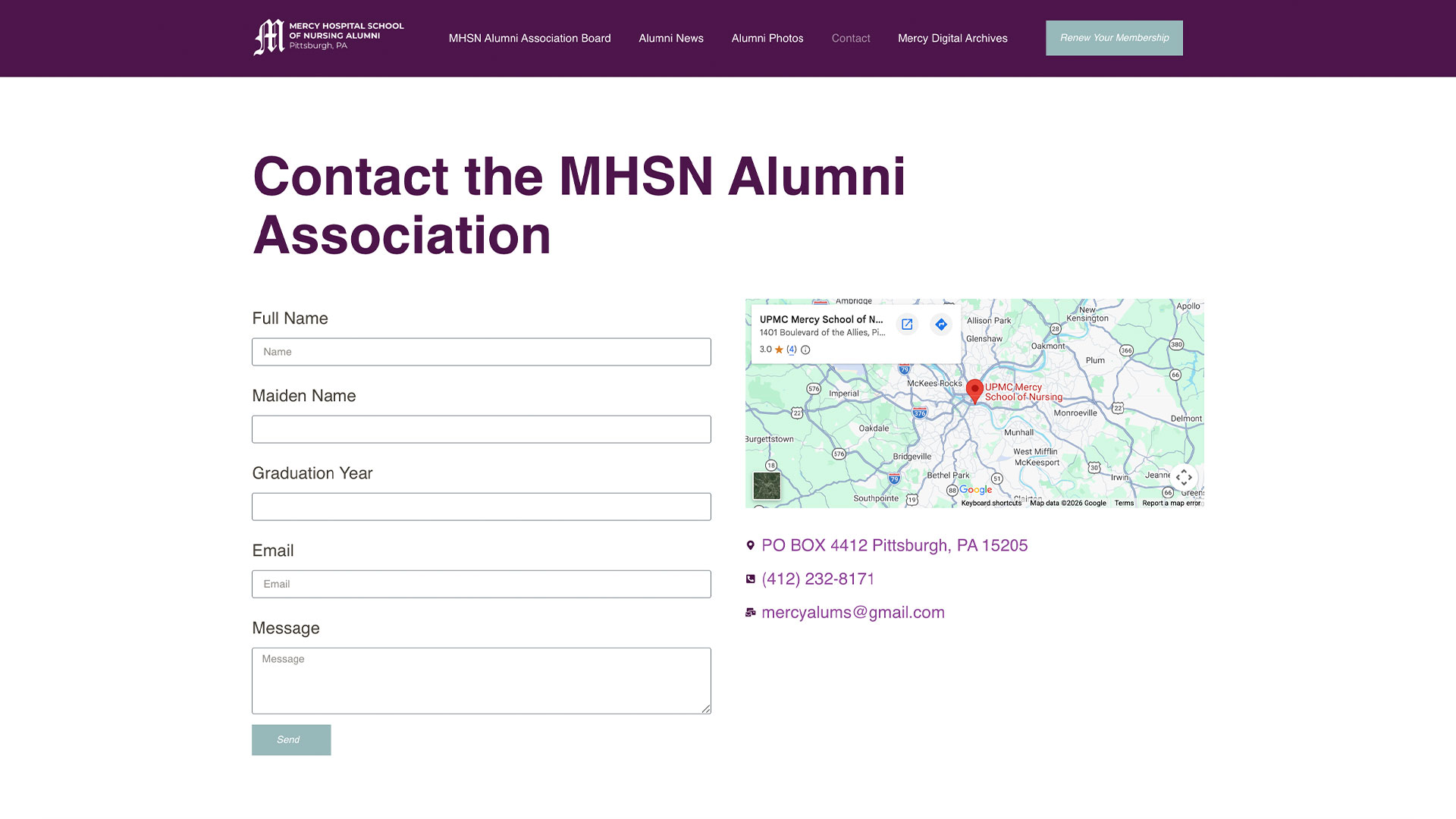
The page template became the foundation for ongoing website expansion and remains in active use today.
By shifting the website from a series of custom builds to a structured digital system, the organization gained a scalable platform that supports both marketing initiatives and long-term content growth.



Reflection
This project reinforced a belief that guides much of my work:
- Digital brands don’t scale through more ideas alone. They scale through clearer systems.
- Establishing the right structure early allows creative work to remain consistent, adoptable, and easier for teams to build upon over time.